



Side-by-side comparison
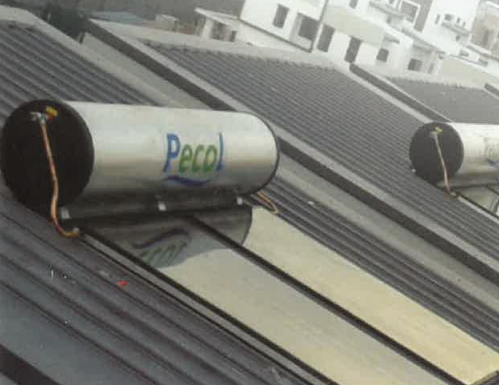
| Solar water heater | Heat pump water heater | |
|---|---|---|
| Energy source | Sunlight + electric backup | Heat from the air + electricity |
| Typical saving vs electric | Up to 80% (weather dependent) | About 70–80% (steady) |
| Night / rainy days | Relies on stored heat and backup element | Works normally |
| Installation | Roof with sun exposure; 432 kg full (300 L) | Yard, utility area, balcony or roof with airflow |
| Condos | Usually not possible | Wall-mounted or split units |
| Noise | Silent | Quiet fan and compressor (40–45 dB(A)) |
| Maintenance | Very low; clean glass occasionally | Yearly service |
| Extra benefit | No moving parts | Free cool air; some models also cool |
Running cost compared
Illustrative: solar provides about 85% of heat in a sunny month and about 55% in a wet month. Heat pump at COP 4.
Which should you choose?
- Choose solar if you have a strong, unshaded roof, live in a landed house and want the lowest possible running cost.
- Choose a heat pump if you live in a condo, your roof is shaded, you use a lot of hot water at night, or you want consistent savings in the monsoon.
- Commercial buildings with large, steady demand (hotels, hospitals) usually choose heat pumps, which need far less roof area.
Can you combine them?
Yes. A heat pump can top up a solar-heated tank instead of an electric element, or a solar PV system can supply power to a heat pump during the day. Ask Pecol about combined systems.
Frequently asked questions
Is a heat pump better than solar in Malaysia?
Neither is always better. Solar is cheapest on sunny days; a heat pump is more consistent and works anywhere with airflow.
Which lasts longer, solar or heat pump?
Both last many years with care. Solar has no moving parts; a heat pump needs yearly servicing.